The Greater Houston lawn, honestly described
Lawns in Greater Houston grow in USDA zones 9a to 9b, through a very long growing season, high humidity most of the year and heavy Gulf rain events. The standard turf is St. Augustine almost everywhere, with Bermuda in full-sun newer yards, and the ground underneath is dense gumbo clay that drains slowly and stays wet after storms. Those three facts, grass, soil and climate, decide nearly everything about lawn care here: when to feed, when to aerate, how high to mow, and which problems to expect before they appear.
Houston lawns grow nearly year-round, so mowing rhythm, fungus watch and drainage drive the calendar.
With Houston rainfall, the skill is drainage and restraint: more lawns suffer from staying wet than from going thirsty.
From the Greater Houston field notes
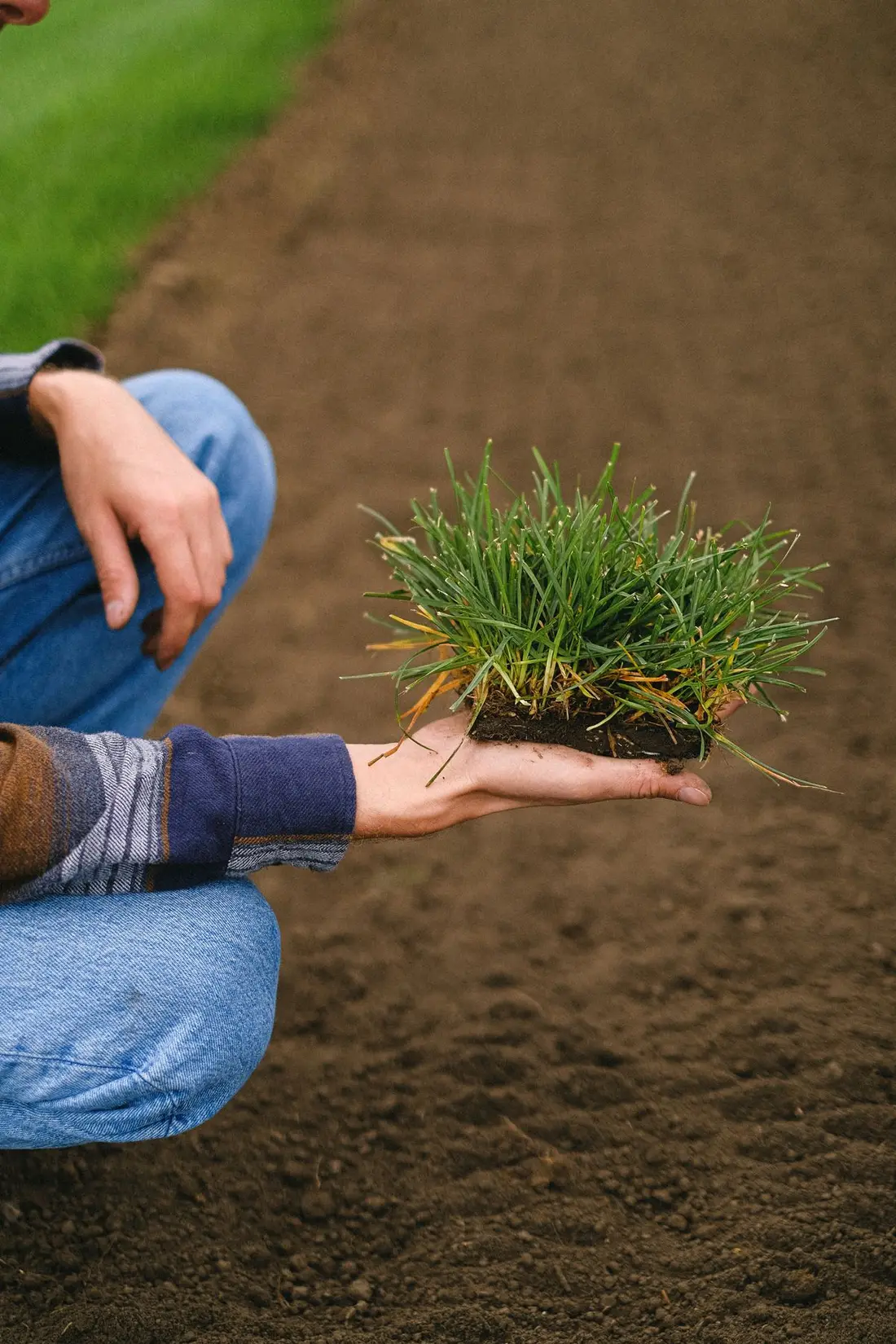
St. Augustine forms the backbone of most Houston lawns because its broad blades, deep color, and tolerance for heat and partial shade suit yards from Katy to Cypress. It spreads by surface runners, so a thick stand depends on protecting those runners and never cutting the grass too short. Keep the canopy tall, water deeply in the morning, and feed on a steady schedule rather than in heavy bursts. In shaded corners, raise the cutting height a little more and thin low branches where possible, because damp shade is where this grass struggles first and thins fastest.
Houston humidity keeps leaf surfaces wet for long stretches, and that moisture is the invitation most lawn fungi need. Prevention starts with habits rather than products: water early so blades dry during the day, avoid heavy feeding when nights stay warm and damp, and keep air moving by pruning low growth around tight corners. Do not mow a wet lawn if you can wait, and clean up heavy clippings that mat down on the surface. When circular patches or spotted blades appear, note the pattern early, because catching a problem small protects the runners around it.
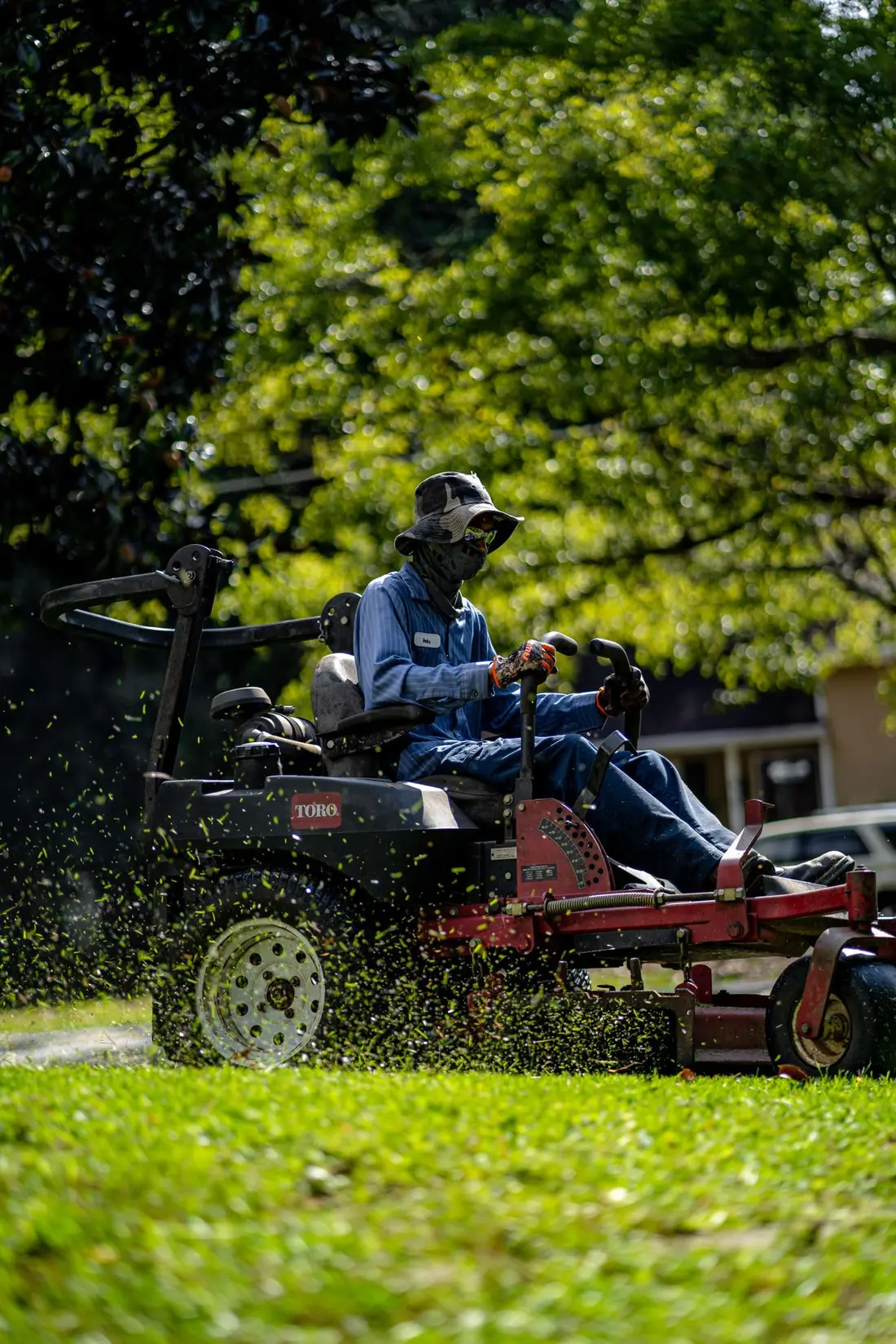
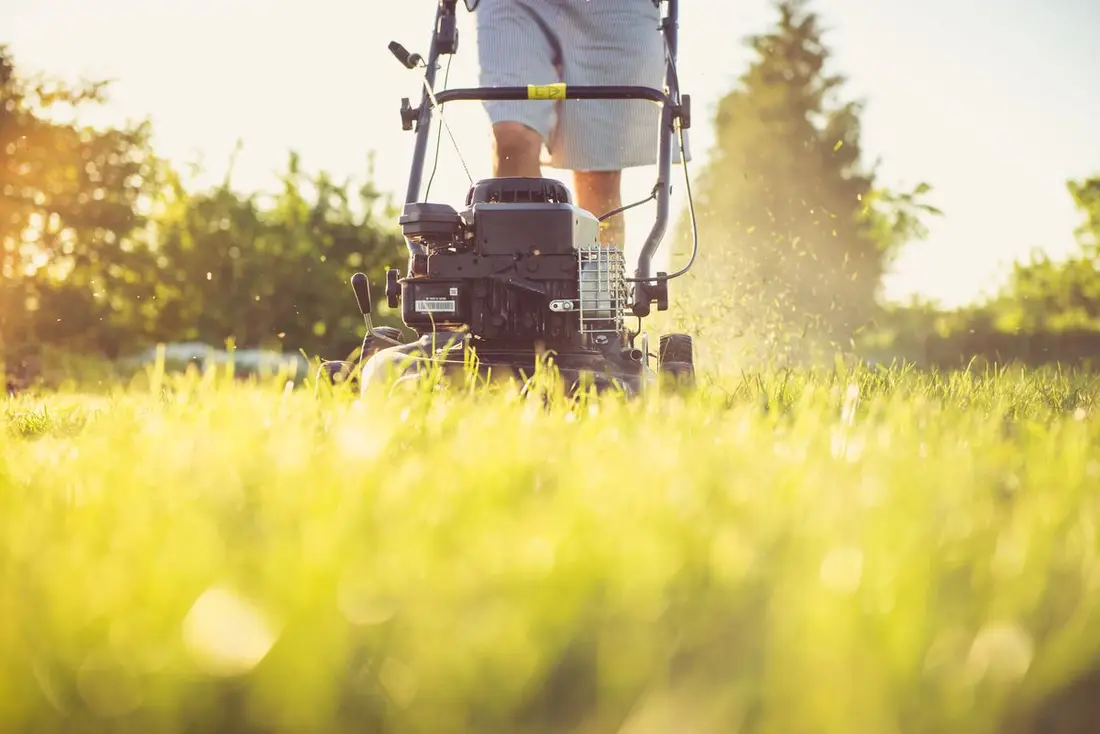
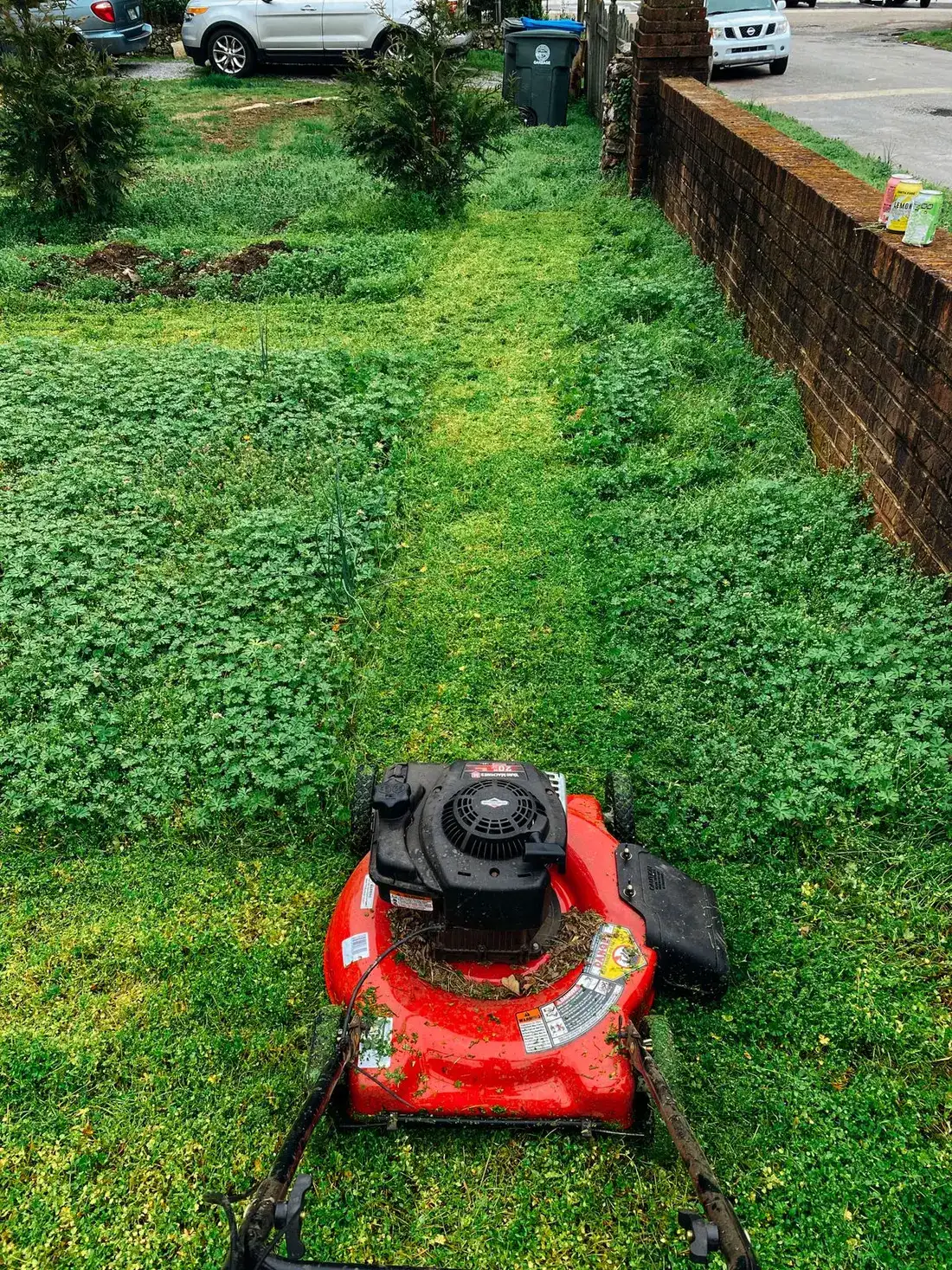
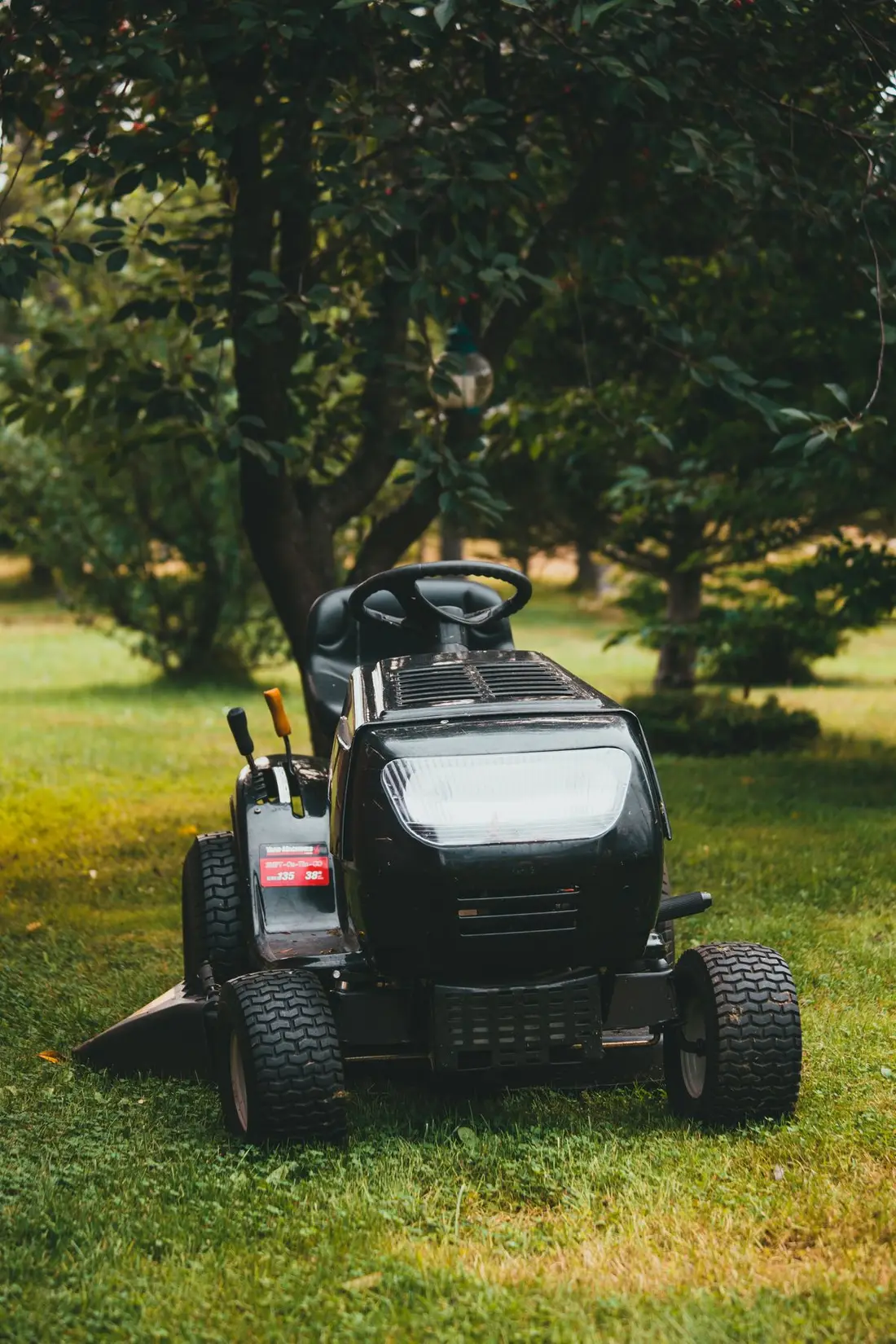
In Houston, mowing height is a health decision, not just a look. St. Augustine kept around three to four inches shades its own crowns, holds soil moisture more evenly, and competes better against weeds that love heat and light. Cutting too low in humid weather opens the canopy, stresses the plant, and leaves it slower to recover after rain. Use a sharp blade, follow the rule of never removing more than one third of the blade at once, and expect weekly cuts during peak growth, with slower intervals when summer stress or dry spells slow the lawn down.
A Houston lawn can look thirsty on the surface while its roots sit in water, because heavy clay holds moisture below and sheds it above. Watch how your yard behaves after a hard rain: puddles that linger, soft spots near downspouts, and thin grass along low paths all point to drainage, not hunger. Raising low areas, extending downspout flow away from turf, keeping edges clear, and opening compacted soil all help water move where it should. Fix the pattern first, because extra feeding in a spot that stays wet usually repeats the same loss.
Houston gives warm season grass a very long window to grow, so feeding works best when it follows green up rather than the calendar alone. Wait until the lawn has been mowed a couple of times in spring, then spread applications across the active season instead of loading the yard early. A soil test helps avoid guessing, especially in clay that can hold nutrients unevenly. Ease off as fall arrives and nights cool, because pushing soft late growth leaves St. Augustine more open to patch disease during the damp, cooler months that follow.
Greater Houston lawn questions
How often does a Houston lawn need lawn mowing in summer?
At peak growth a St Augustine lawn in Houston may need lawn mowing about once a week, and sometimes a little sooner after rain and feeding. The safer guide is growth, not the calendar: cut before more than one third of the blade would come off. In dry or stressed spells growth slows and the interval can stretch.
What mowing height works best for St Augustine in Houston?
Keep St Augustine tall, generally around 3 to 4 inches, and a little taller in shade. That height shades the crowns and soil, helps the lawn compete with weeds, and reduces stress in heat and humidity. Cutting it short is one of the fastest ways to thin a Houston lawn.
When should fertilization start in spring?
Start fertilization after the lawn has greened up and has been mowed a couple of times, not on the first warm day. Feeding too early pushes growth the roots cannot support and can feed weeds before the turf is ready. A soil test is a sensible guide in Houston clay, where nutrient levels vary a lot from yard to yard.
How many times a year does a Houston lawn need fertilization?
Most Houston lawns do well with applications spread across the active growing season, rather than one heavy dose. The long season means small, spaced feeding matches how St Augustine actually grows here. Ease off as fall cools down, because late, heavy feeding can raise the risk of brown patch in damp weather.
Why does dollarweed keep showing up in my yard?
Dollarweed is a sign that soil stays wet, whether from overwatering, a low spot, or slow clay drainage. Weed control works better when the watering and drainage habits behind it are corrected at the same time. A thicker, taller lawn also gives dollarweed less open ground to colonise.
What does aeration do for Houston clay soil?
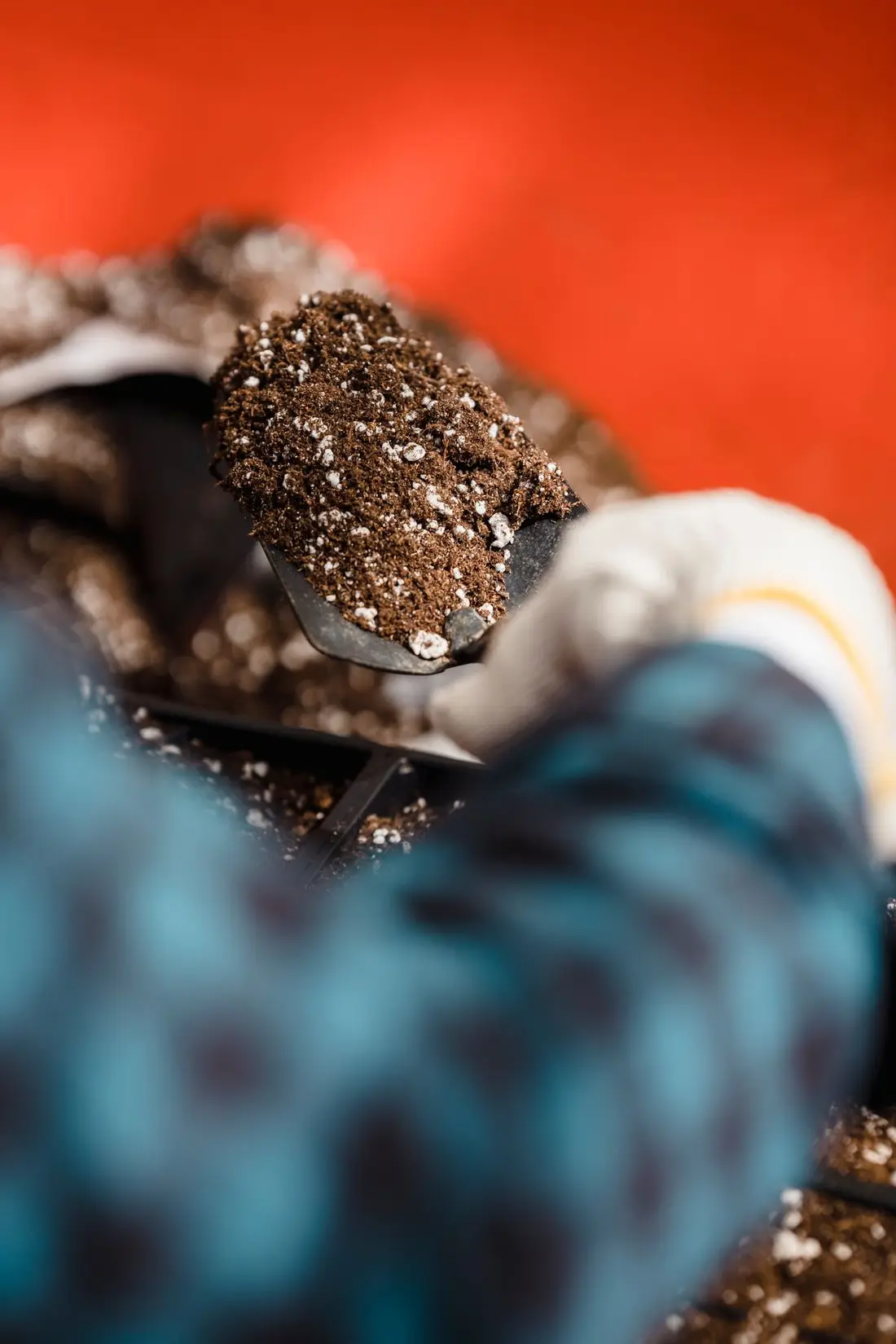
Aeration opens compacted gumbo clay so air, water, and nutrients can reach the roots instead of running off the surface. Core aeration, which removes small plugs of soil, is the useful form on clay. It is best done while the grass is actively growing, so the lawn can recover and grow into the opened soil.
When is the best time of year for aeration in Greater Houston?
Spring into early summer and again in early fall are practical windows, as long as the turf is actively growing. Avoid aeration when the lawn is dormant or when the ground is saturated after heavy rain. Lawns with heavy foot traffic or a long history of thinning on clay usually benefit most.
How do I know if a brown patch is fungus or chinch bugs?
Look at the pattern, the season, and the roots before deciding. Chinch bug damage favours hot, sunny, dry edges in summer, while brown patch favours cool, wet periods and take-all root rot leaves short, dark, rotted roots in spring. Because the fixes differ, a careful diagnosis matters more than a fast guess.