The Northern Virginia lawn, honestly described
Lawns in Northern Virginia grow in USDA zones 6b to 7b, through humid summers, cold winters and wooded suburbs with heavy fall leaf fall. The standard turf is tall fescue and Kentucky bluegrass blends, and the ground underneath is heavy red and orange clay across much of Fairfax and Loudoun. Those three facts, grass, soil and climate, decide nearly everything about lawn care here: when to feed, when to aerate, how high to mow, and which problems to expect before they appear.
Northern Virginia runs on the cool-season calendar: fall aeration and overseeding is the main event, spring pre-emergent protects it, and fall clean-up keeps leaves from undoing it.
Clay soil absorbs water slowly, so watering in cycles, soak and rest, gets moisture to roots instead of the storm drain.
From the Northern Virginia field notes
Most Northern Virginia lawns in places like Fairfax, Reston, and Ashburn are built around turf type tall fescue, often blended with Kentucky bluegrass. Tall fescue handles heat, foot traffic, and clay better than most cool season grasses, while bluegrass adds density and can fill small gaps through its spreading rhizomes. Fescue itself grows in clumps and does not spread sideways, so thin areas stay thin until new seed is added. A good blend balances summer toughness with spring and fall color, and it performs best when mowed higher through the hottest weeks of the year.
Heavy clay is the defining soil challenge from Springfield and Annandale out to Leesburg and Purcellville. The dense red and orange clay compacts under foot traffic, play, and mowing, squeezing out air and making it hard for water to soak in. Puddles after rain and a screwdriver that will not push easily into dry ground are familiar signs. Core aeration pulls small plugs from the lawn, loosens the surface, and opens paths for water, air, and seed to reach the root zone. Done in fall, it gives roots room to grow before winter.
Fall is the main repair season for Northern Virginia lawns, and timing matters more than effort. Virginia Cooperative Extension guidance points to late August through mid September as the best window for aeration, with seeding for cool season grasses running through about mid October. Warm soil helps seed germinate, cooler air reduces stress, and young plants get weeks of root growth before cold weather and then a full spring before their first summer. Spring seeded fescue, by contrast, faces heat and humidity with shallow roots. Booking the fall window early protects the whole plan.
Wooded lots in Great Falls, McLean, Clifton, and western Loudoun can drop a heavy blanket of oak and tulip poplar leaves in a few short weeks. Left in place, that mat blocks light, traps moisture, and smothers the grass underneath, leaving muddy bare ground by spring. New fall seedlings are especially vulnerable under wet leaves. Regular seasonal clean-ups through autumn, rather than one big clearing at the end, keep turf breathing and help beds and lawn edges stay defined. Ground leaves can work as mulch in beds, but a thick whole leaf layer on turf does harm.
Humid Northern Virginia summers create steady pressure from brown patch, the most familiar fungal disease in tall fescue lawns. It shows up as circular tan or brown patches when nights stay warm and humid and leaf blades stay wet for long stretches. Heavy spring nitrogen, evening watering, and poor air flow in shaded yards make it worse. Mowing higher, watering in the morning so turf dries during the day, and avoiding extra summer fertilization help reduce risk. Even with good habits, some thinning is normal, and fall aeration and overseeding repair what summer takes.
Northern Virginia lawn questions
When is the best time for aeration in Northern Virginia?
Fall is the best time, with late August through mid September as the prime window for cool season lawns in Virginia. Aeration at that time loosens compacted clay while the lawn is coming out of summer stress and starting active fall growth. It also sets up overseeding on the same visit, so new seed gets good soil contact.
Why does my lawn thin out every summer in Fairfax or Loudoun?
Tall fescue and Kentucky bluegrass are cool season grasses, so hot and humid Northern Virginia summers stress them even with good care. Heat, brown patch disease, and shallow roots in compacted clay combine to thin the turf by late August. Fall aeration and overseeding, plus fall fertilization, are how that summer loss gets repaired each year.
When should weed control for crabgrass start in spring?
Pre-emergent weed control needs to be in place before crabgrass germinates, which starts when soil temperatures reach about 55 degrees Fahrenheit and hold there for a few days. In Northern Virginia that timing often arrives in March, but it shifts each year with the weather. Applying after crabgrass is already visible in summer is too late for a pre-emergent to work as intended.
How often does lawn mowing run during the season?
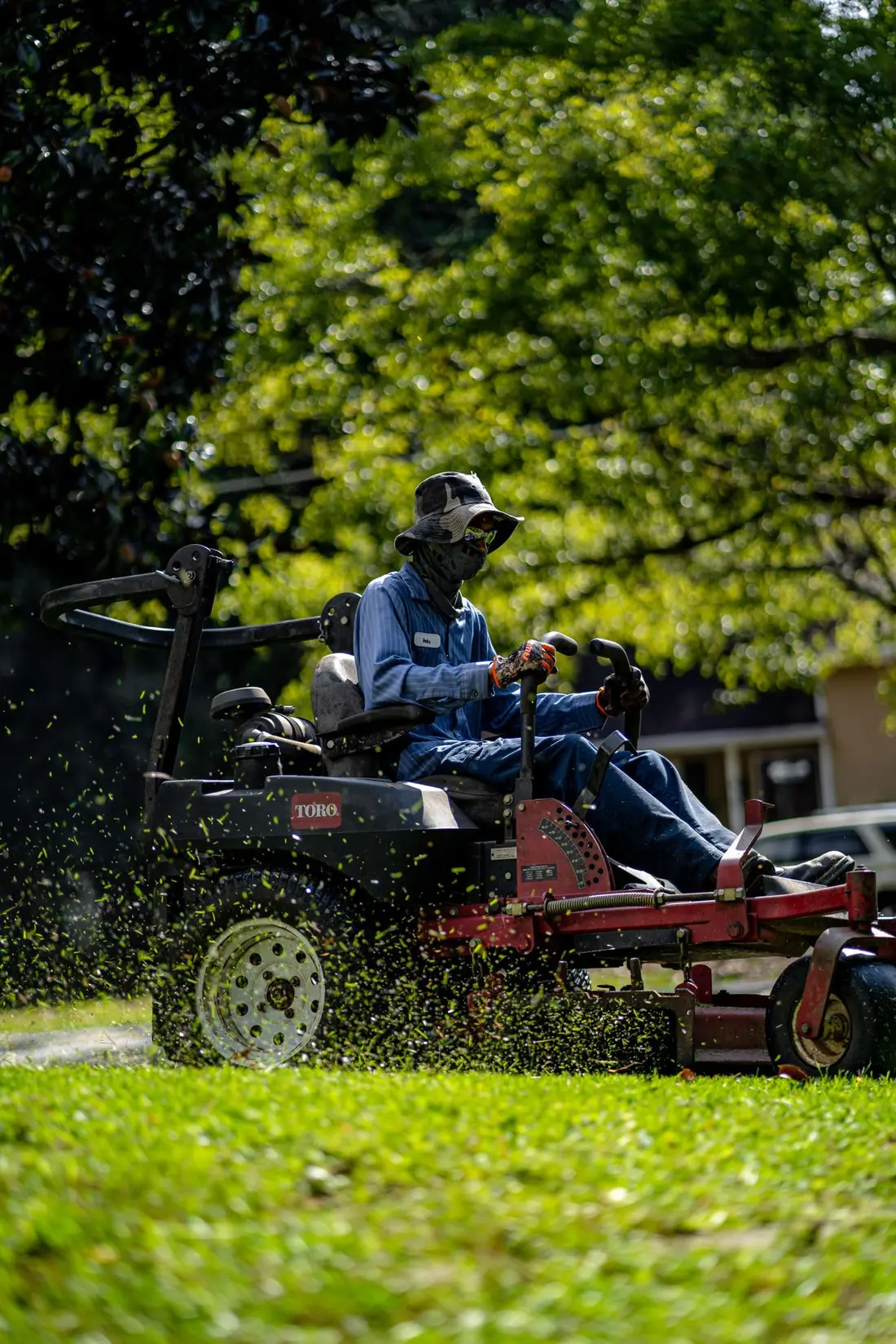
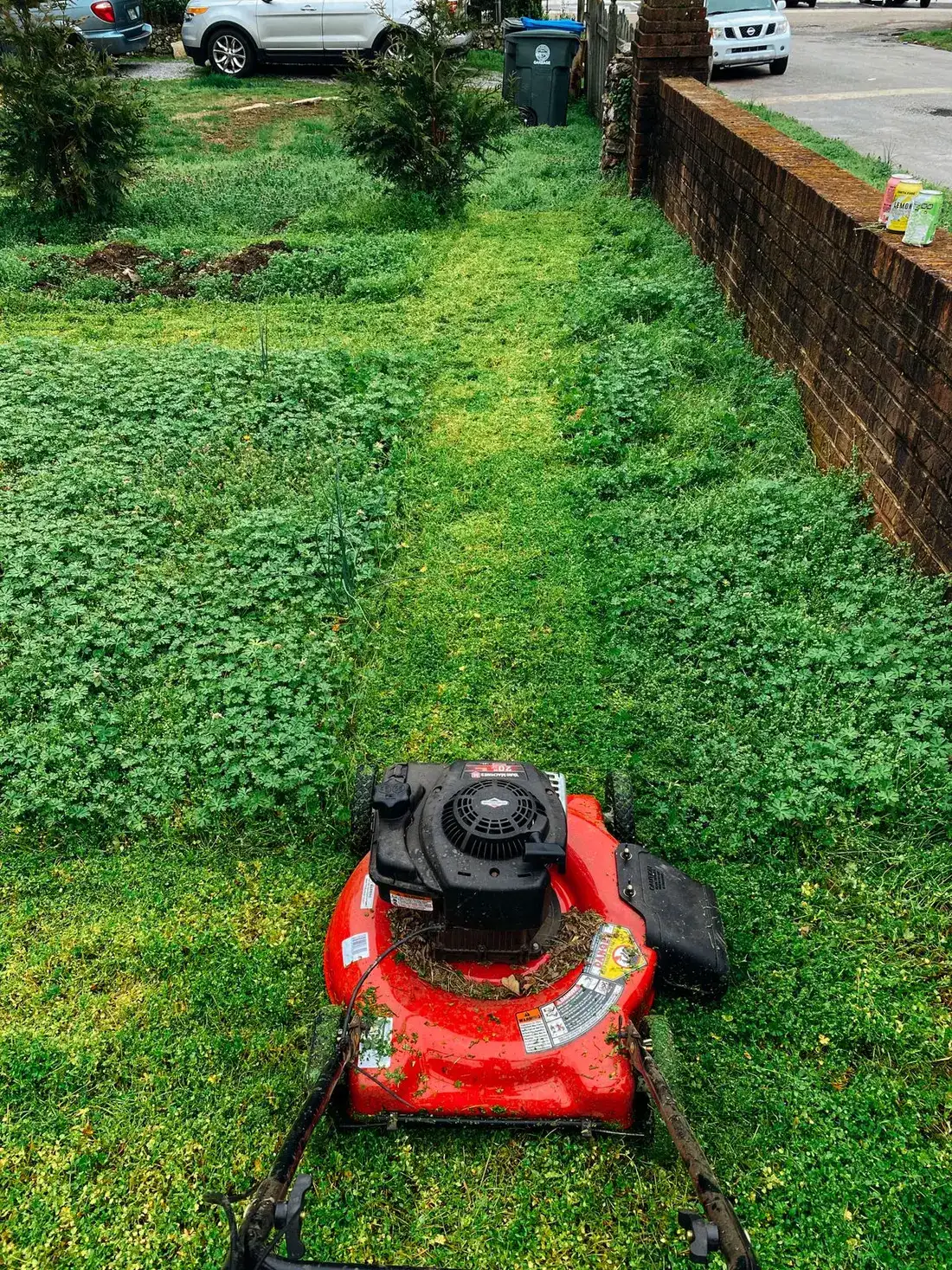
Lawn mowing follows growth, which is fastest in spring and fall and slower in summer heat and winter dormancy. Most Northern Virginia lawns on a regular program are mowed weekly in peak growth and less often when growth slows. Mowing height matters as much as frequency, and tall fescue should be kept higher, around 3.5 to 4 inches, through summer.
What does fertilization timing look like for a fescue lawn here?
The heaviest and most useful fertilization for cool season lawns in Virginia happens in fall, when roots grow actively and disease pressure drops. Spring fertilization is kept lighter, and heavy summer fertilization is avoided because it pushes tender growth that brown patch feeds on in humidity. A soil test every few years should guide lime and nutrient choices for your specific yard.
Why is fall overseeding stressed so much more than spring seeding?
Fall seeded fescue germinates in warm soil, grows roots through fall, and gets a full spring of growth before facing its first summer. Spring seeded fescue gets only a short rooting period before July heat and humidity arrive, and much of it thins or dies in its first summer. That is why aeration paired with fall overseeding is the main renovation window in Northern Virginia.
Can seasonal clean-ups really matter for the lawn, or are they just cosmetic?
They matter for turf health in wooded Northern Virginia neighborhoods, not just appearance. A wet mat of oak and poplar leaves blocks light and traps moisture, smothering grass and new fall seedlings and leaving bare mud by spring. Regular seasonal clean-ups through fall, plus a winter pass for storm debris, keep that from happening.
What is a typical price range for regular lawn mowing?
Pricing depends on lot size, slope, gates, and how much trimming and edging the property needs, so it is always set per property. As a general guide, regular lawn mowing for a typical suburban Northern Virginia lot often falls in a range of about $50 to $90 per visit. Larger, sloped, or heavily wooded lots in places like Great Falls or Clifton can fall above that range.