The Jacksonville and Northeast Florida lawn, honestly described
Lawns in Jacksonville and Northeast Florida grow in USDA zones 8b to 9a, through a June to September rainy season, mild winters and occasional inland frost. The standard turf is St. Augustine (Floratam) and Bahia, with zoysia and centipede in some yards, and the ground underneath is sandy soil that drains fast and lets nutrients wash through. Those three facts, grass, soil and climate, decide nearly everything about lawn care here: when to feed, when to aerate, how high to mow, and which problems to expect before they appear.
The rainy season sets the Northeast Florida calendar: feeding and mowing surge with the summer rains, and many local rules restrict fertilizer during the wettest months, which is worth checking before any application.
Sandy soil drinks fast and holds little, so shorter, well-timed watering beats the deep soak that clay country needs.
From the Jacksonville and Northeast Florida field notes
St. Augustinegrass covers more Northeast Florida lawns than any other turf, and its signature pest follows it everywhere. Southern chinch bugs feed in the thatch, sucking fluids from stems and crowns, and damage usually starts as yellowing patches in the sunniest, driest part of the yard before spreading outward. Floratam was once released for chinch bug resistance, but local bug populations adapted long ago, so no cultivar removes the risk. Regular lawn mowing at the taller end of the range, careful watering, and early scouting from spring through fall matter more than any single treatment when patches first appear in summer heat.
On larger lots in Middleburg, Green Cove Springs, and the rural edges of Duval and Clay counties, Bahia grass often makes more sense than St. Augustine. Bahia builds a deep, extensive root system, tolerates infertile sandy ground, and keeps going with less water and less fertilization than finer lawn grasses demand. The tradeoff is texture and habit. Bahia grows in a more open pattern, sends up tall seed heads quickly in summer, and can look coarse beside a manicured front lawn. For acreage where durability matters more than a carpet finish, regular lawn mowing keeps seed heads down and the lot looking cared for.
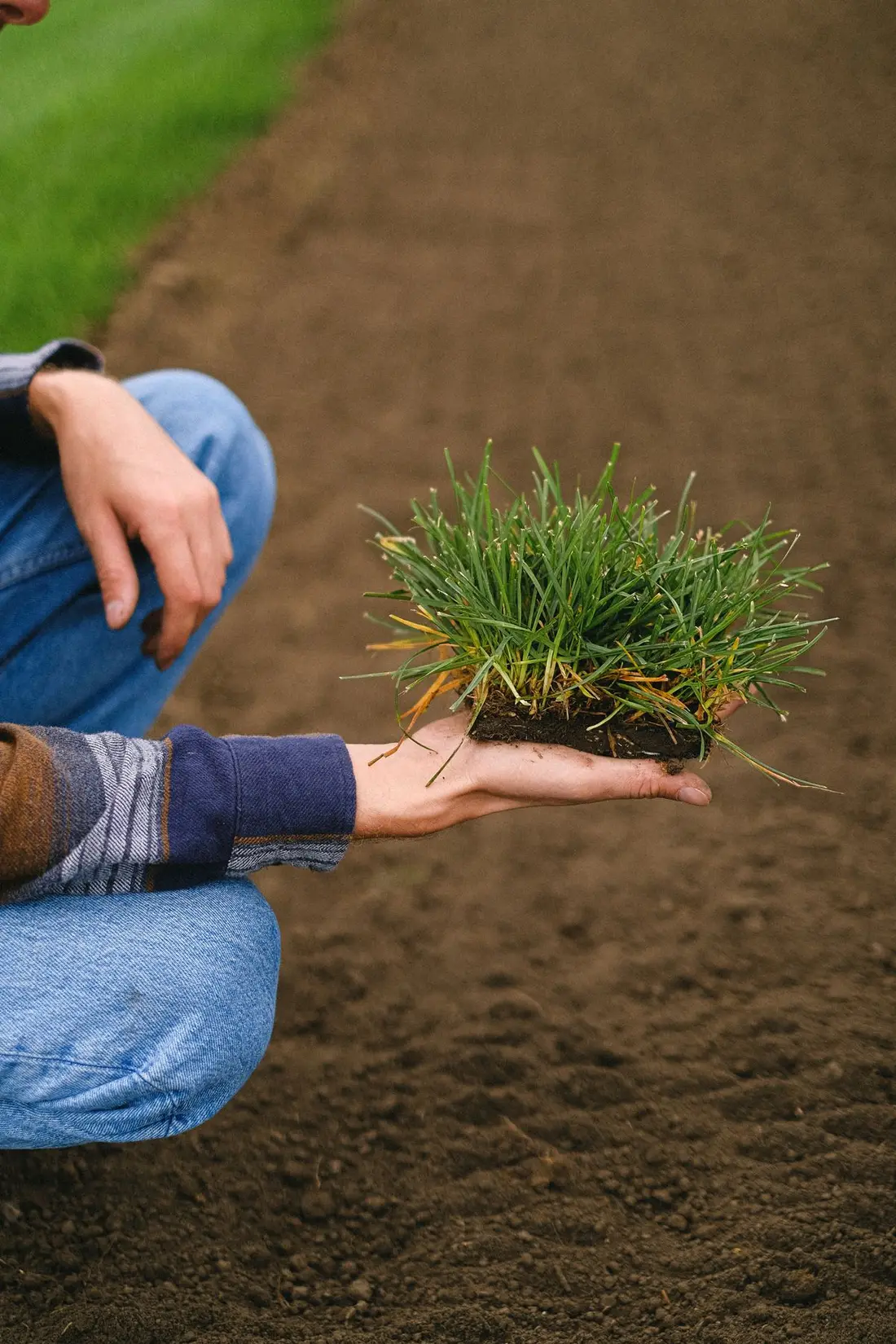
Sand is the defining fact under most Jacksonville area lawns. Water moves through it fast, and nutrients move with it, so a heavy single feeding often leaches below the roots before the grass can use it. Smaller, well timed fertilization applications during active growth usually serve sandy lawns better than large doses, and slow release products are a common fit for this soil. A soil test helps avoid guessing, especially for phosphorus and pH. Many Northeast Florida communities also limit fertilizer use during the rainy season, so checking local rules before a summer application protects both the lawn and nearby waterways.
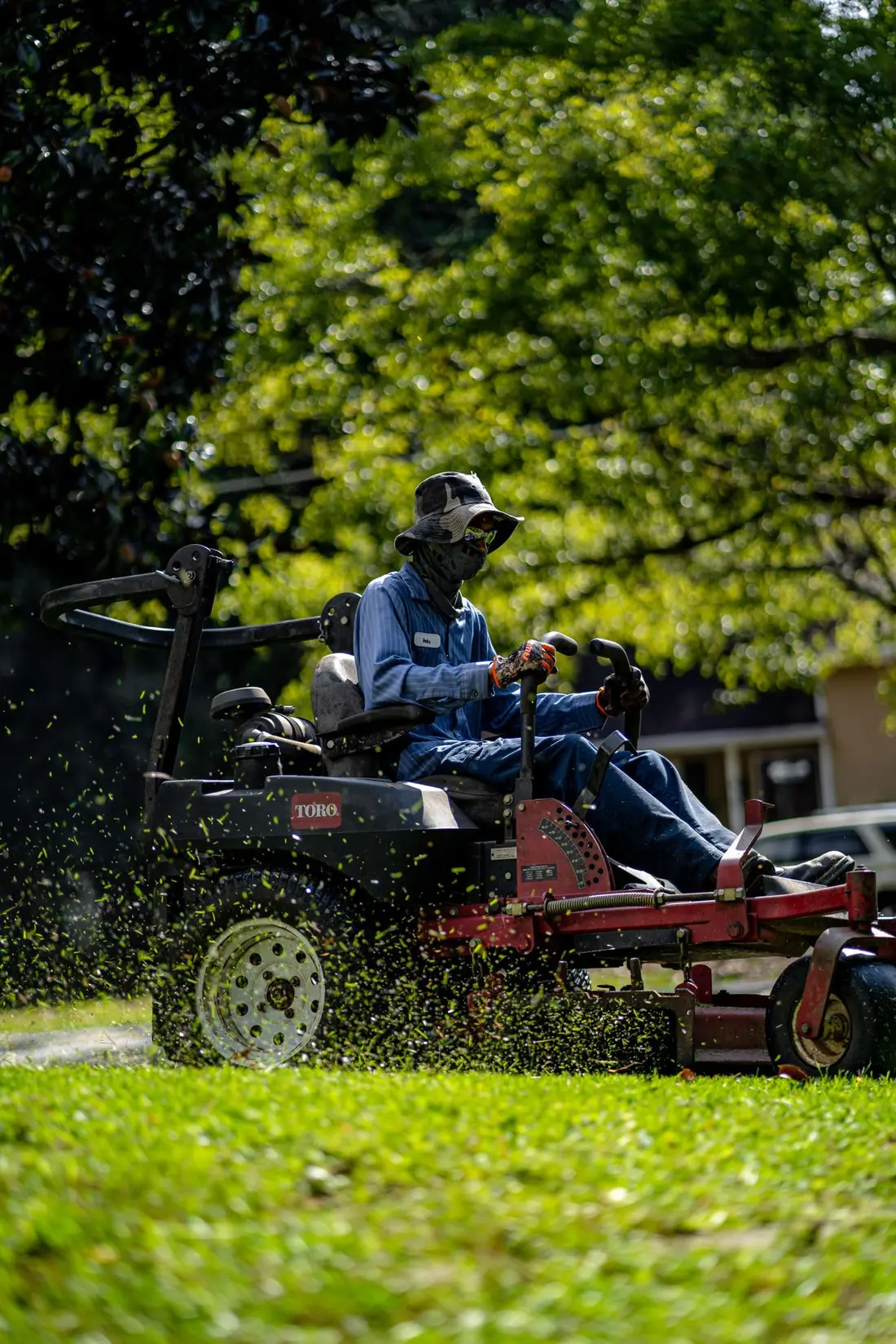
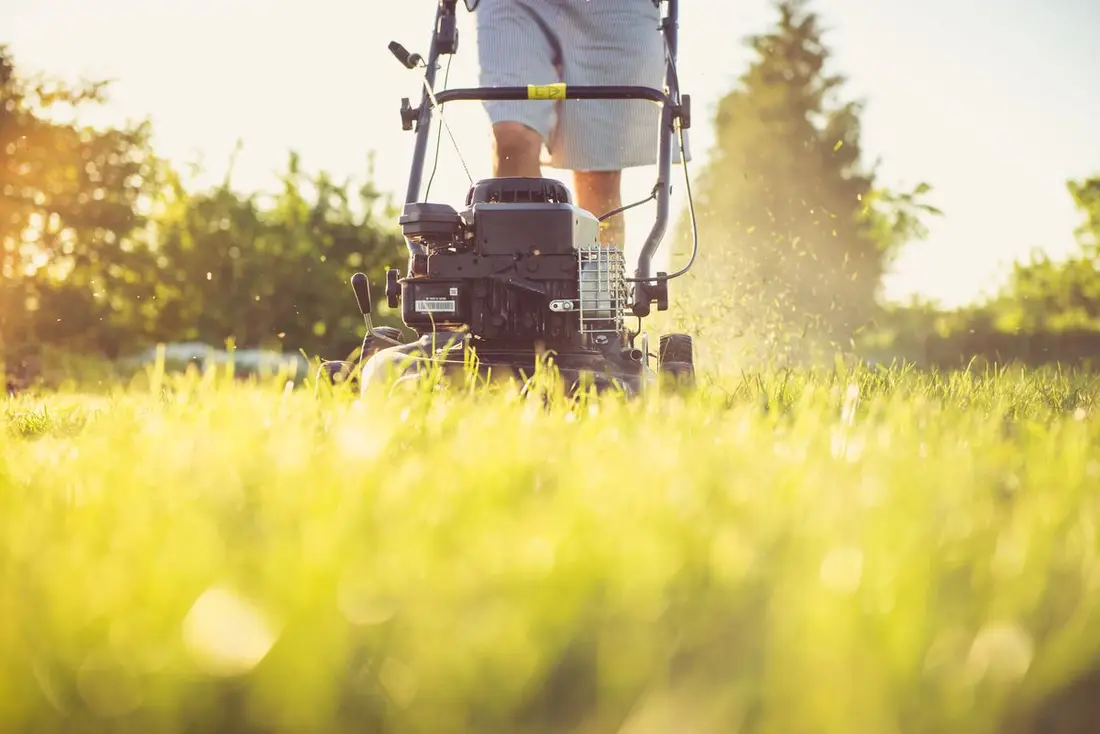
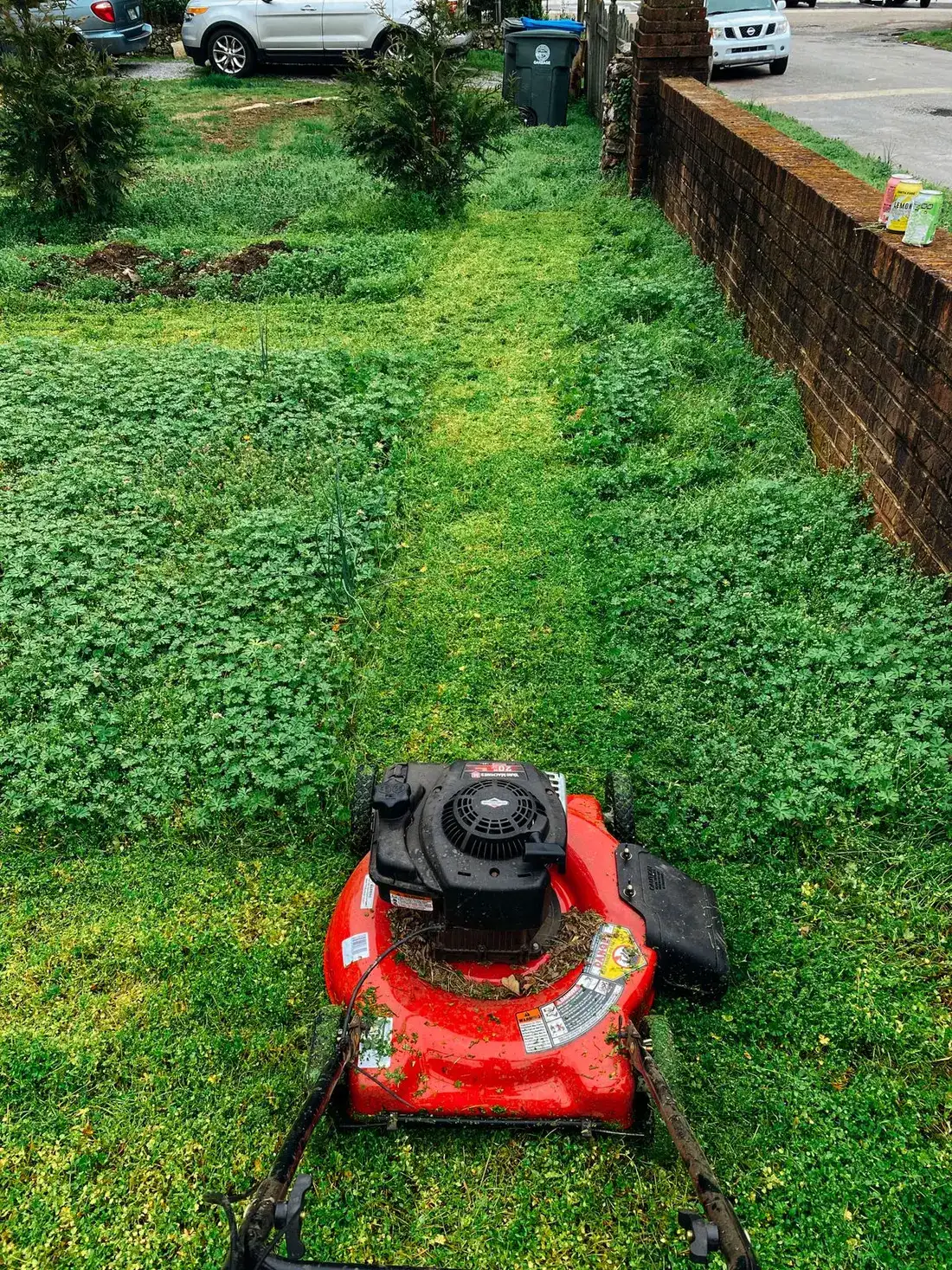
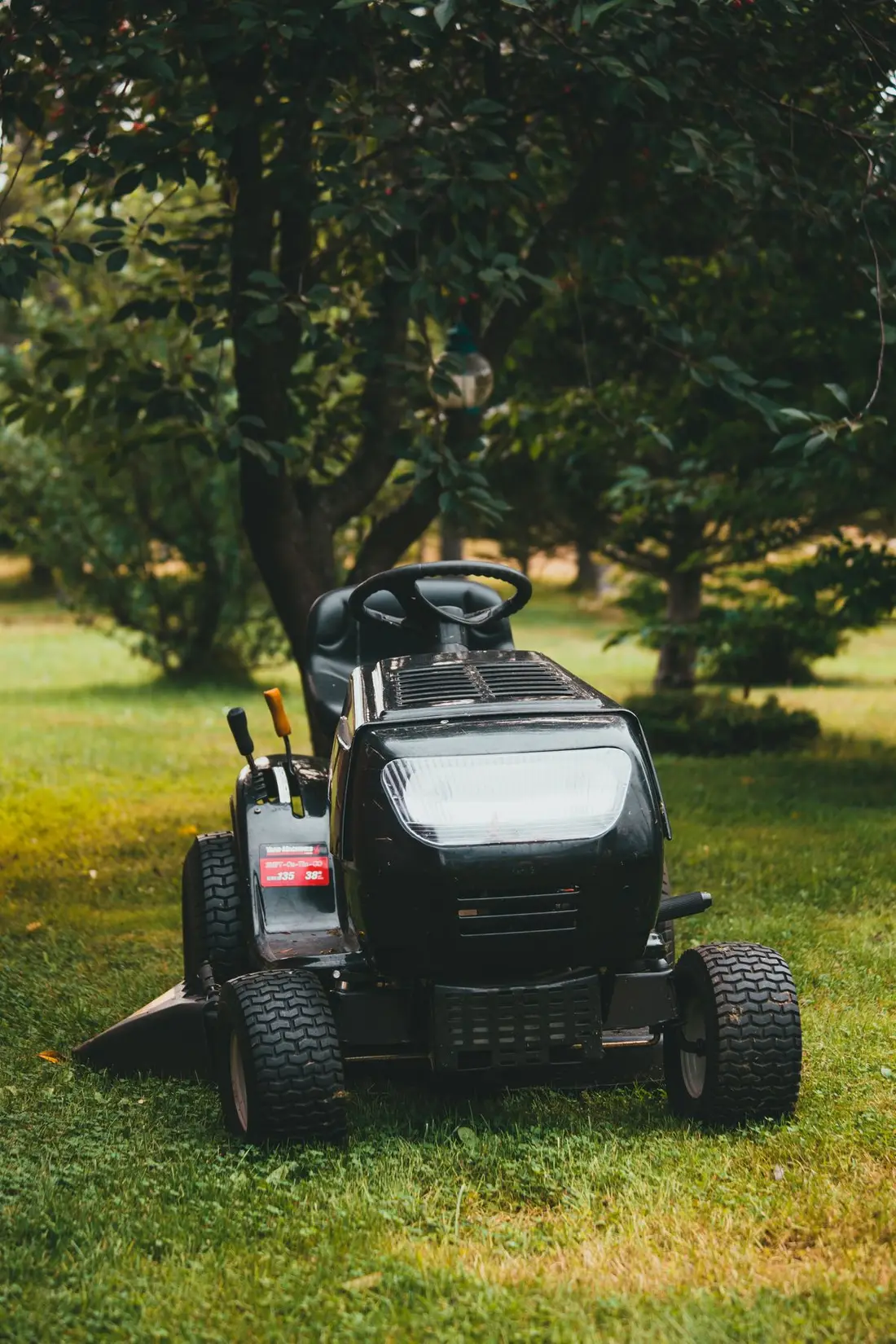
From June through September, afternoon storms can turn a Northeast Florida lawn into the fastest growing surface on the street. Grass may need lawn mowing every five to seven days in peak weeks, and skipping a cycle lets St. Augustine grow shaggy enough that cutting it back stresses the turf. Raising the mowing height during hot, wet stretches helps shade the soil, hold moisture, and crowd out weeds. Wet clippings clump and smother grass if left in mats, so mowing between storms, keeping blades sharp, and clearing drains and edges after heavy rain keeps a yard from falling behind in the wettest months.
Lawns in Atlantic Beach, Neptune Beach, Jacksonville Beach, and Ponte Vedra Beach live with salt spray, steady wind, and sand that may sit only feet above the water table. Salt tolerance becomes a deciding factor here, and St. Augustine generally handles coastal exposure better than Bahia, which also struggles on higher pH soils common near the shore. Wind dries exposed turf quickly even in humid months, so irrigation needs can surprise owners a few blocks inland from calmer neighborhoods. Choosing plantings that tolerate salt, grouping them by water need, and refreshing mulching after storm driven rains helps coastal yards hold together through summer.
Jacksonville and Northeast Florida lawn questions
How often does a Jacksonville lawn need mowing in summer?
In the June to September rainy season, most St. Augustine and Bahia lawns need lawn mowing every five to seven days. Growth slows sharply in winter, when mowing may drop to once or twice a month just to tidy the yard.
What is the best grass for a shady yard under live oaks?
No grass thrives in deep shade, but shade tolerant St. Augustine cultivars such as Palmetto or Seville handle oak canopy better than Floratam or Bahia. Where shade is heavy, many homeowners reduce lawn area and use mulching beds and shade plantings instead, which an outdoor design visit can help plan.
Why does my St. Augustine keep getting yellow patches in the same sunny spot?
Repeated yellowing that spreads in a hot, sunny area is a classic sign of southern chinch bugs, the main insect pest of St. Augustine in Northeast Florida. Drought and fungus can look similar, so the patch should be inspected closely before any treatment is chosen.
When should I fertilize my lawn in Northeast Florida?
Fertilization works best during active growth, mainly spring through early fall, and UF/IFAS guidance treats September as the last recommended month in this region. Many local communities limit rainy season applications, so local rules should be checked before scheduling a summer feeding.
My Bahia lawn looks thin and weedy. Can it be fixed without replacing it?
Often, yes. Bahia thins from drought, low fertility, and mowing too short, and weeds fill the gaps. A program of correct lawn mowing height, well timed fertilization, and grass safe weed control usually thickens the stand over a season.
What does aeration do for a sandy Jacksonville lawn?
Aeration pulls small plugs so air, water, and nutrients reach the roots instead of running off compacted or thatchy areas. Sand alone rarely compacts, but high traffic zones, construction fill, and thatch in St. Augustine still benefit, usually with a late spring or early summer aeration while grass is growing strongly.
How much should I water my lawn if the soil is mostly sand?
Sandy soil drains fast, so lawns here need deep, infrequent watering that wets the root zone, followed by time to dry slightly between cycles. Daily light watering keeps roots shallow and encourages dollar weed and fungus, while morning watering lets blades dry during the day.
Can you help with a yard that floods or stays soggy after storms?
Yes, within the services we offer. Outdoor design can rework bed placement and lawn areas, hardscaping can add paths and patios that shed water correctly, and adjusting lawn mowing and mulching practices reduces the muddy, thin turf that constant wetness causes.