The Suburban Maryland lawn, honestly described
Lawns in Suburban Maryland grow in USDA zones 6b to 7b, through hot, humid summers, cold winters and a long, leaf-heavy fall under mature tree canopy. The standard turf is tall fescue as the standard lawn, often blended with Kentucky bluegrass and perennial rye, and the ground underneath is varied Piedmont and coastal soils, with clay common in older suburbs. Those three facts, grass, soil and climate, decide nearly everything about lawn care here: when to feed, when to aerate, how high to mow, and which problems to expect before they appear.
Fall is the Maryland lawn season: aeration and overseeding in early fall do more for a fescue lawn than everything else combined, and Maryland's fertilizer rules pause applications through winter, which makes the fall feeding window count.
Summer watering keeps fescue from going fully dormant, but the fall recovery window matters more than any summer rescue.
From the Suburban Maryland field notes
Early fall is the most productive window in the suburban Maryland lawn year, and homeowners in Silver Spring, Rockville and Columbia plan around it. Cooler nights, warm soil and more reliable rain help new tall fescue seed germinate while summer weeds are fading. Core aeration first loosens compacted clay soil and opens channels for water, air and seed to reach the root zone. Overseeding right after aeration fills thin spots left by summer heat, thickens the stand and makes it harder for crabgrass and clover to return the following spring. Lawns seeded by mid October have time to root before hard frost.
Tall fescue looks its best in spring and fall in Montgomery and Howard counties, then faces its hardest stretch from late June through August. High heat combined with high humidity slows growth, thins crowns and invites brown patch, a fungal problem that shows up as tan patches in damp, warm weather. Many lawns in Bethesda and Ellicott City go partly dormant and turn straw colored during a dry spell, which is a survival response rather than death. Mowing higher, watering deeply but infrequently in the morning and holding off on fertilization during peak stress help roots endure until cooler September weather revives growth.
In older neighborhoods across Takoma Park, Chevy Chase and Annapolis, mature oaks and maples give streets their character and give lawns their biggest fall chore. A heavy leaf layer left in place through November and December blocks light, traps moisture against the turf and can smother the new grass that was seeded only weeks earlier. Regular seasonal clean-ups through the drop, rather than one pass at the end, keep the lawn breathing and make the work manageable. Leaves that are finely mulched can return organic matter to beds, while excess volume is hauled away before winter sets in.
Spring green-up in suburban Maryland rarely follows a straight line, because March and April swing between warm spells and late cold snaps. Tall fescue wakes up as soil warms, and the first tasks are clearing winter debris, resuming lawn mowing at a higher setting and checking thin areas that winter exposed. Fertilization resumes after the state blackout ends in early March, timed to support growth without pushing soft growth before heat arrives. Weed control for crabgrass has to be in place before soil gets warm enough for seed to sprout, so planning in late winter matters more than reacting in late spring.
Shade is the defining limit for many lawns in Potomac, Bethesda and the older parts of Columbia, where large canopy trees compete with turf for light, water and nutrients. Tall fescue tolerates moderate shade better than most cool season grasses, but no grass thrives in deep, all day shade with dense surface roots. Practical answers include raising mower height, thinning lower limbs where appropriate, seeding shade tolerant fescue blends in fall and converting the darkest areas to mulched shade beds and plantings. A realistic mix of thin turf in light shade and planted beds under the heaviest canopy usually outperforms repeated reseeding in the same failing spots.
Suburban Maryland lawn questions
When is the best time of year for aeration in suburban Maryland?
Early fall is the best time, from late August through September, with seeding work finished by mid October. Soil is still warm, nights are cooler and new tall fescue has time to root before hard frost. Spring aeration is a backup for badly compacted lawns, but fall aeration gives the lawn its strongest recovery window.
Why does my tall fescue lawn turn brown every summer in Montgomery County?
Tall fescue slows down and can go partly dormant in Maryland heat and humidity, especially in July and August dry spells. Brown, straw colored turf that greens up again in September is often dormant, not dead. Brown patch disease can also mark fescue in warm, wet weather, so a lawn that stays patchy into fall is worth a closer look during fall aeration planning.
When can fertilization start again after winter in Maryland?
Maryland's Lawn Fertilizer Law blackout runs from November 16 to March 1, so fertilization with nitrogen or phosphorus resumes March 1 if the ground is not frozen and heavy rain is not expected. That legal start date is why spring programs in Silver Spring, Columbia and Annapolis are built around March, not February. Fall remains the most important feeding season for fescue here.
How often does a lawn in this area need lawn mowing in spring?
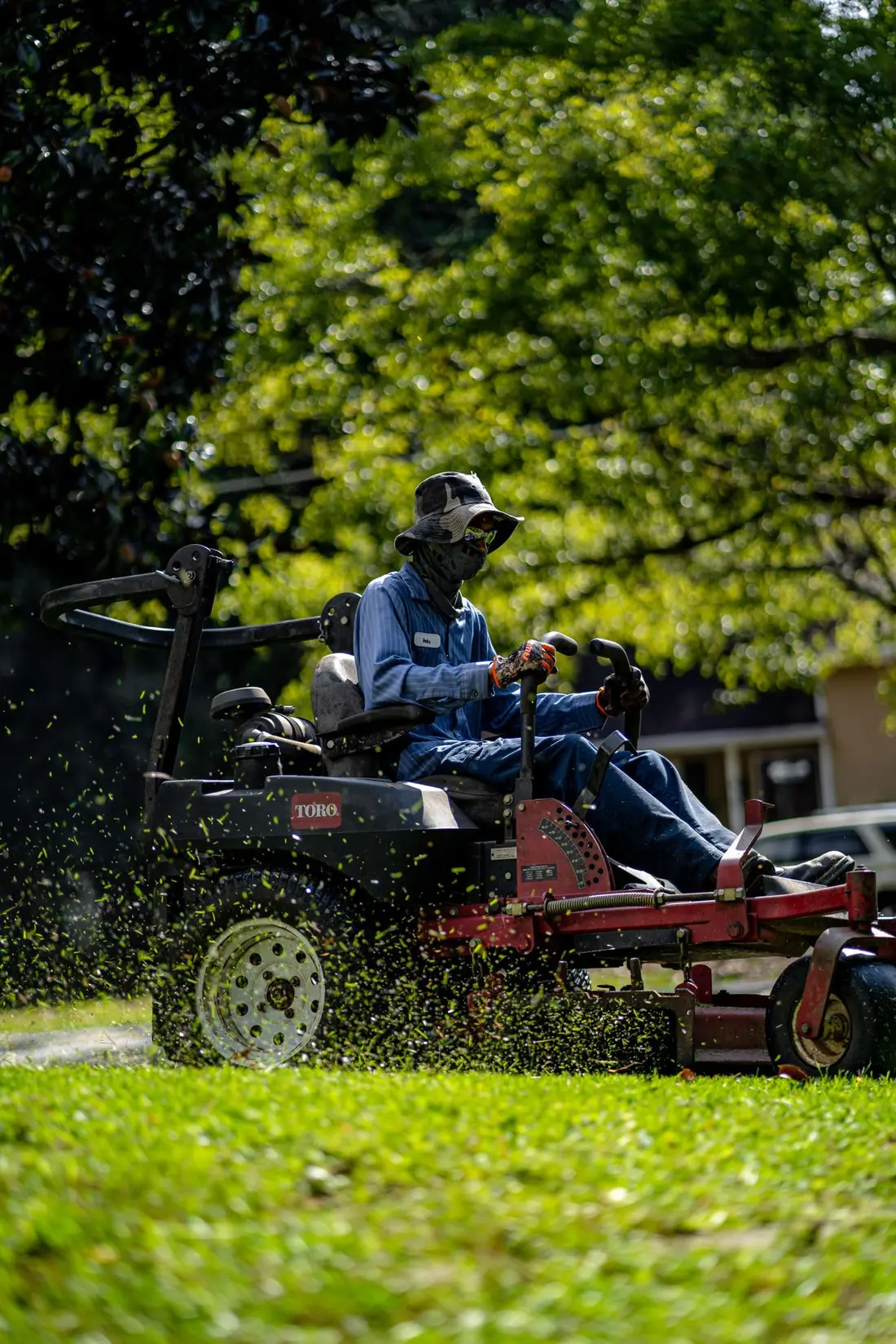
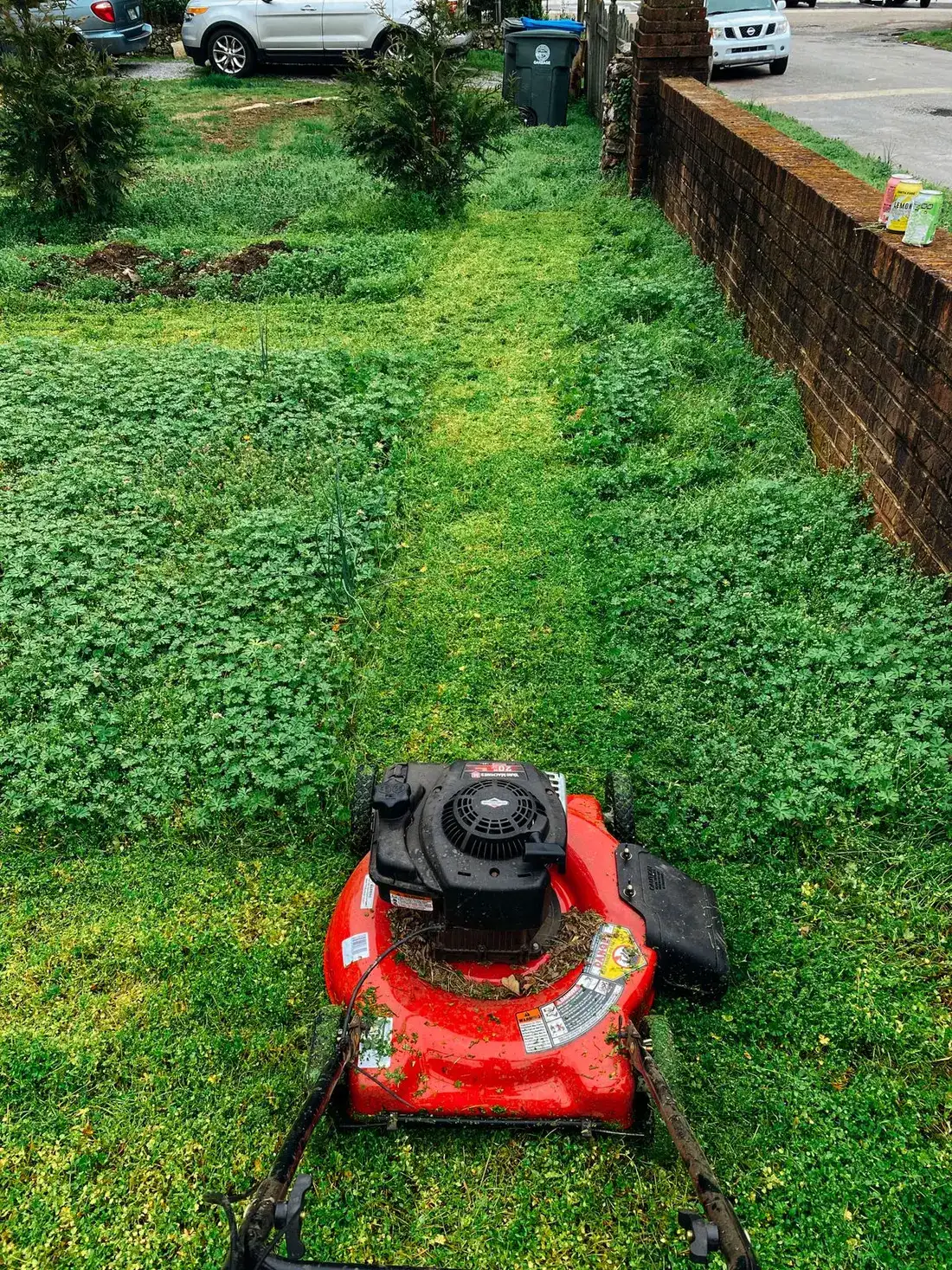
In peak spring growth, most suburban Maryland fescue lawns need lawn mowing about once a week to keep up without cutting too much at once. Growth slows in summer heat, so the schedule can stretch when the lawn is barely growing or dormant. Keeping the mower higher in summer helps fescue roots handle heat and shade out weeds.
How is crabgrass handled on a Maryland lawn?
Crabgrass is handled first with preventive weed control timed in late winter to early spring, before crabgrass seed sprouts as soil warms. If crabgrass is already large in summer, the practical plan is to limit its spread and then repair those thin areas with fall aeration and seeding. A denser fescue lawn is the long term answer, because crabgrass mainly invades open, hot, thin turf.
My yard in Bethesda is shaded by large oaks. Can a real lawn grow there?
A thinner fescue lawn can grow in moderate shade if it is mowed higher and seeded in fall with shade tolerant blends, but deep, all day shade under dense oak and maple roots will not hold a normal lawn. Many Potomac and Bethesda homeowners get a better result by keeping turf where light reaches it and using mulching and planted beds under the heaviest canopy. An outdoor design visit can map which areas should stay lawn and which should convert.
When should I schedule seasonal clean-ups in the fall?
Plan seasonal clean-ups through the leaf drop, not just once at the end, especially in treed neighborhoods in Takoma Park, Chevy Chase and Annapolis. A first pass in late October and a final pass in November keeps leaves from smothering grass seeded earlier in the fall. A late winter clean-up is also common here to clear what winter storms and leftover leaves leave behind before spring mowing starts.
What kind of mulching is typical for beds in suburban Maryland?
Shredded hardwood is the typical choice for mulching beds in this metro, applied about 2 to 3 inches deep and kept back from trunks and stems. It holds moisture through humid summers, steadies soil temperature and gives beds a clean edge against the lawn. Most homes refresh mulching once a year in spring, after clean-ups and edging.