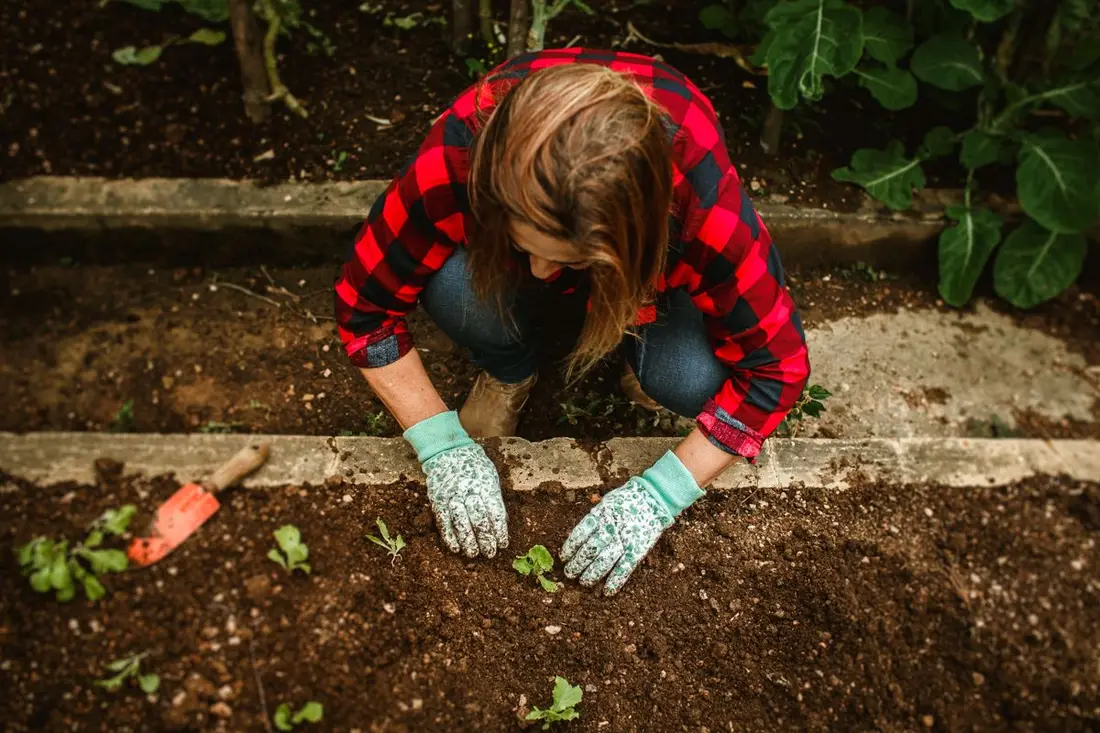
Landscaping in Katy runs on Greater Houston rules. The lawns are St. Augustine almost everywhere, with Bermuda in full-sun newer yards, the soil is dense gumbo clay that drains slowly and stays wet after storms, and the climate is a very long growing season, high humidity most of the year and heavy Gulf rain events. That combination decides what good landscaping looks like here: the services below are the ones local contractors actually book in Katy, sequenced for this grass and this soil rather than copied from a national checklist.
With 4 covered ZIP codes, Katy ranks number 2 for coverage in Greater Houston. It lies roughly 27 miles from Houston, the metro's coverage anchor, which is why the same contractor routes often serve both. Coverage follows contractor routes, not city limits, so a street on the edge of a listed ZIP is worth a call to confirm.
For Katy homeowners, the local reality is this: brown patch and take-all root rot in wet, humid periods; compaction and standing water in clay low spots; chinch bugs in hot, dry St. Augustine. Those three show up in Katy yards season after season, and each one is cheaper to handle early than late. A booked visit starts by reading which of them your lawn is actually dealing with, because the fix for a fungus problem and the fix for compaction look similar from the curb and are opposites in practice.
Timing landscaping in Katy
Houston lawns grow nearly year-round, so mowing rhythm, fungus watch and drainage drive the calendar. In Katy that calendar is not academic. Work booked in the right window costs less and lasts longer, because the grass does half the job itself when the season is on its side. With Houston rainfall, the skill is drainage and restraint: more lawns suffer from staying wet than from going thirsty. Your contractor will set the visit timing against the Greater Houston season rather than a national schedule, and will tell you plainly if the job you want belongs in a different month.
Landscaping questions in Katy
Can hardscaping help a yard that holds water?
Hardscaping can help when it is planned around drainage, with surfaces pitched to carry water away from the house and routes kept open for runoff. Poorly placed solid surfaces can make wet areas worse by blocking natural flow across flat clay. An outdoor design that grades first and paves second gives the most reliable result.
How should outdoor design handle a shady, damp Houston yard?
Start with the conditions: St Augustine kept tall in partial shade, beds raised above heavy clay, and plants chosen for humidity and periodic wet soil. Outdoor design that works with shade and drainage lasts longer than a layout copied from a dry, sunny yard. Leaving air and light into tight corners also lowers fungus pressure on turf.
What should seasonal clean-ups cover in Houston?
Seasonal clean-ups should clear leaf mats, fallen branches, and storm debris off turf, tidy bed edges, and cut back spent growth. In Houston this is not only cosmetic: debris left on wet grass traps moisture and blocks light, which raises disease risk. Fall and post storm clean-ups do the most to protect the lawn.
Is mulching worth redoing every year in Houston?
Yes, because heavy rain, heat, and fast breakdown thin mulch faster here than in a dry climate. Fresh mulching protects clay soil from crusting, holds moisture more evenly, and keeps bed soil from splashing onto plants and paths. Keep it a few inches deep and pulled back slightly from trunks and crowns.